SIA, CCTV, and AI - How Smart Surveillance Is Reshaping Security
AI-powered CCTV is rapidly rewriting how surveillance works in the UK and worldwide, blending real-time threat detection with smart analytics - but its rise brings fresh debates about privacy and regulation.
CCTV is no longer just a silent observer mounted on a wall.
In the UK, surveillance is entering a new era where artificial intelligence turns cameras into active security tools that can detect, interpret and respond to risk in
real time.
This rapid shift has placed AI-enabled CCTV firmly on the radar of regulators, employers and the Security Industry Authority, raising important questions about
safety, accountability and public trust.
The Evolution from Watching to Sharing
Traditional CCTV systems relied on human operators reviewing footage after an incident had already happened. AI changes that logic entirely. Modern systems can
analyse live video feeds, recognise patterns, and flag unusual behaviour as it occurs. Instead of simply recording events, AI-powered CCTV interprets them.
This means cameras can now identify overcrowding, prolonged loitering, sudden aggressive movement or restricted-area breaches without constant human monitoring. For security teams, this reduces reaction times and allows staff to focus on decision-making rather than screen-watching.
Where the SIA fit in
In the UK, the SIA regulates public-facing security activity, including CCTV operators working in public spaces. While AI itself is not licensed, the people who
operate, manage and deploy surveillance systems still fall under SIA standards of training, conduct and accountability.
As AI becomes embedded into security operations, the SIA’s role becomes even more important. Operators must understand not only how to use technology, but also
when human judgment must override automated alerts. Licensing, training expectations and professional standards act as safeguards to ensure that AI supports
security work rather than replacing responsibility.
Whats Driving the Rise of AI CCTV Now?
Several factors have accelerated the adoption of AI-enabled CCTV:
Increased pressure on security teams due to staff shortages and larger monitored areas
Rising public safety concerns in transport hubs, retail spaces and nightlife venues
Cheaper computing power, making AI analytics more accessible
Demand for prevention rather than evidence, stopping incidents before they escalate
AI systems are especially attractive in environments where constant vigilance is required but human attention naturally fades.
Benefits for Security and Businesses
When used responsibly, AI CCTV brings clear advantages. It improves response times, reduces false alarms and helps security teams prioritise real threats.
Businesses benefit from better incident reporting, safer premises and more efficient use of staff. In some settings, AI analytics are also used to improve crowd flow,
detect safety hazards and support emergency planning.
Importantly, AI does not remove the need for licensed professionals. Instead, it acts as a force multiplier, giving trained operators better information, faster.
Privacy, Ethics and Public Trust
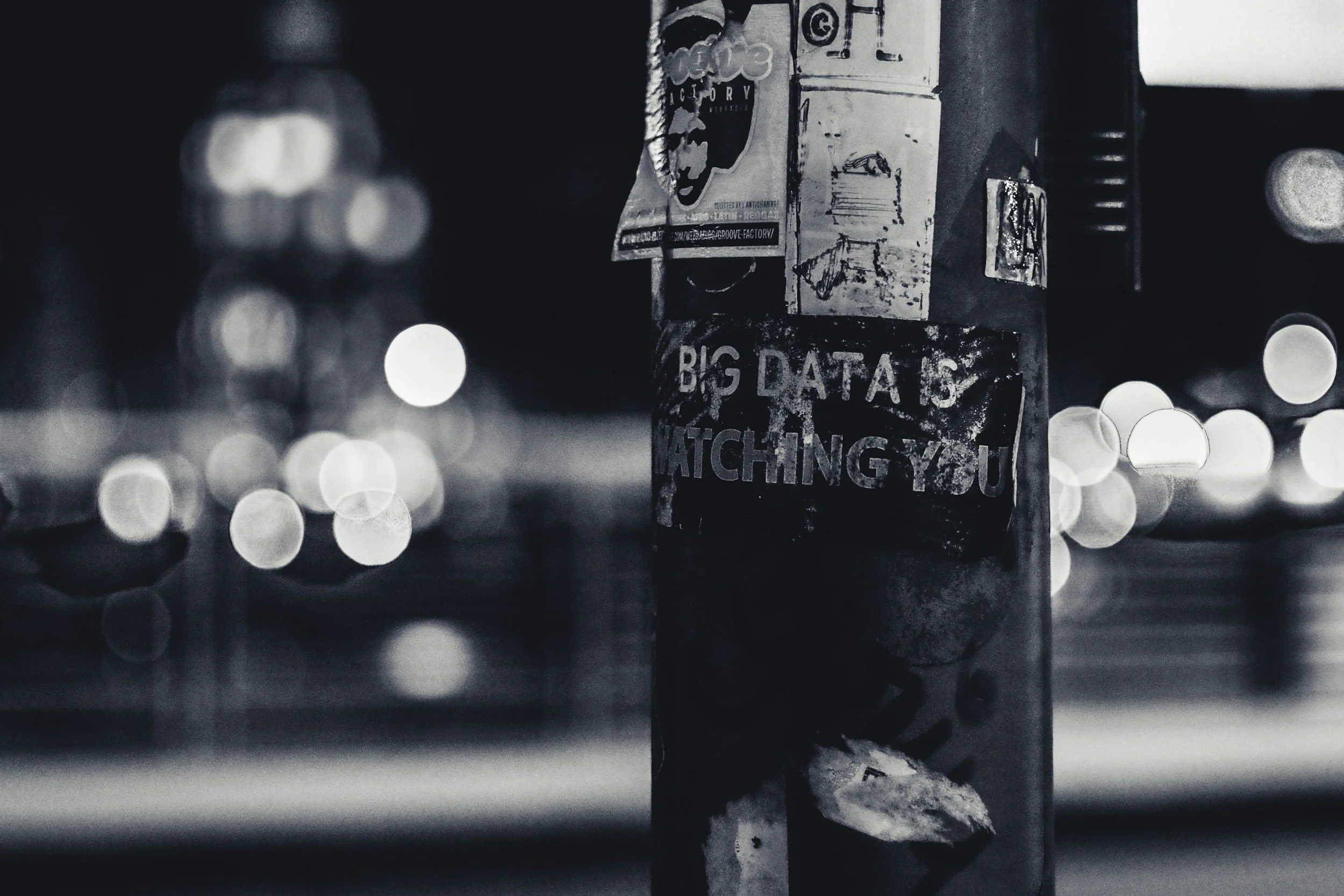
The biggest controversy surrounding AI CCTV is not technical, but ethical. People are increasingly concerned about how surveillance data is collected, stored and
used. AI systems raise fears of over-monitoring, bias and loss of anonymity in public spaces.
UK law already places strict limits on data protection, and organisations using AI CCTV must justify its use, minimise data retention and ensure transparency. The
challenge moving forward is maintaining public confidence while still allowing security technology to evolve.
This is where regulation, professional standards and clear accountability matter most. AI should assist human judgment, not quietly replace it.
Looking Ahead
AI-powered CCTV is not a future concept. It is already embedded in modern security infrastructure across the UK. The next phase will likely focus less on expansion and more
on control: clearer rules, better training and stronger oversight.
The balance is delicate. Done well, AI CCTV enhances safety without eroding rights. Done poorly, it risks undermining trust in the very systems designed to protect us. The role of regulators like the SIA, alongside informed and ethical security professionals, will determine which path the industry takes.